That fresh-clean smell can come with a cost. For many homeowners, the strongest cleaners in the cabinet are also the ones that trigger headaches, irritate skin, or leave behind fumes you would rather not breathe – especially with kids, pets, or allergy concerns in the house. If you have been asking what are the best environmentally friendly cleaning products, the real answer is not one magic bottle. It is a group of safer, effective products chosen for the job, the surface, and the people living in your home.
At RestorePro Cleaning Services, we see this question through a home health lens. A product can be labeled green and still be disappointing, overpriced, or not the right fit for carpet, upholstery, vents, or mold-prone areas. The best options clean well, rinse clean, and avoid harsh ingredients that can linger in the air or on surfaces.
What are the best environmentally friendly cleaning products for most homes?
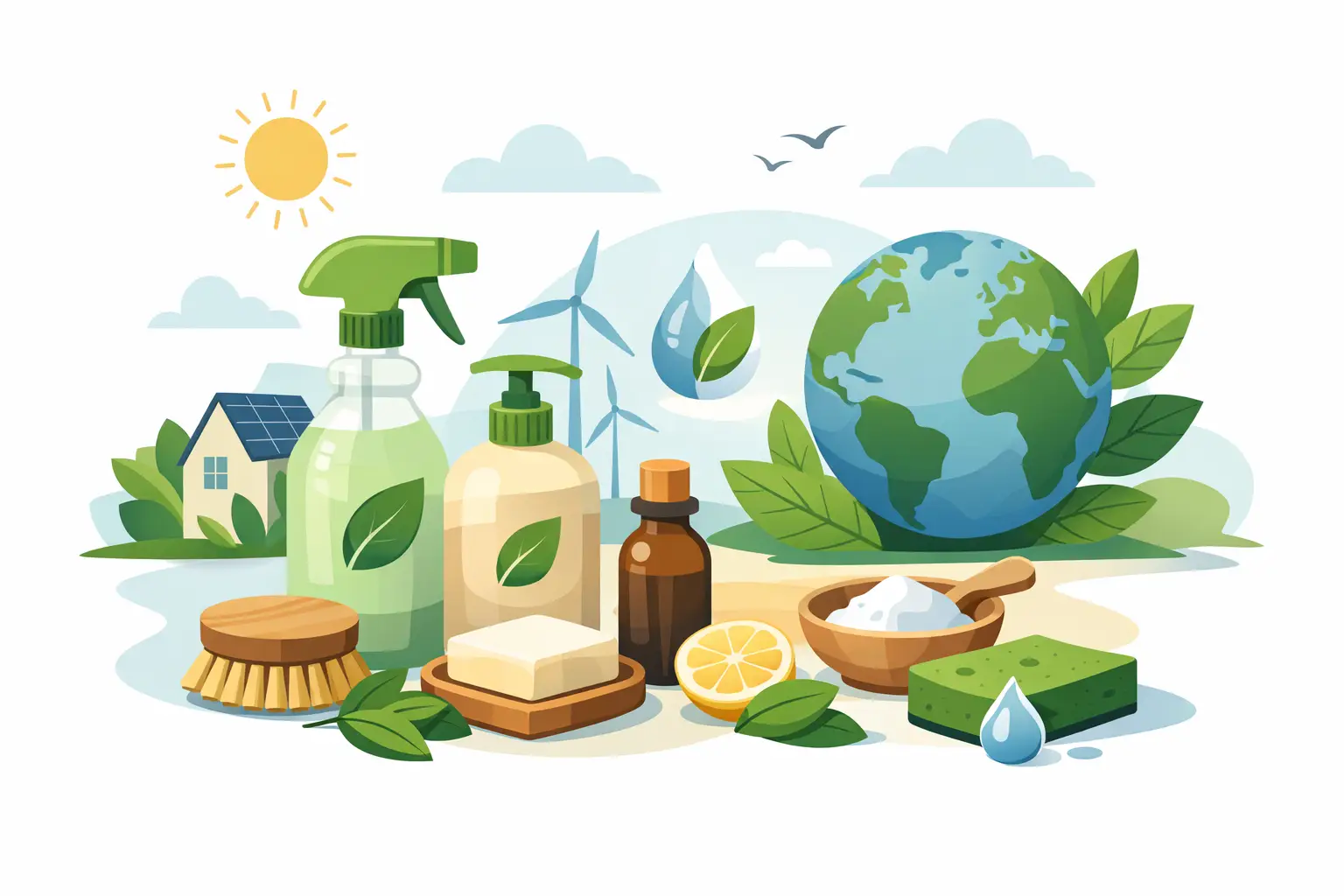
For most households, the best environmentally friendly cleaning products fall into a few practical categories: plant-based all-purpose cleaners, fragrance-free dish soaps, mineral-based bathroom cleaners, oxygen-powered stain removers, enzyme cleaners for pet messes, and simple laundry products without dyes or heavy perfumes. These are the products that handle everyday dirt without turning your home into a chemical cloud.
That said, environmentally friendly does not always mean perfect for every task. A mild plant-based spray may be great on counters but weak against heavy soap scum. An enzyme cleaner can work wonders on pet accidents but may not be the best choice for stone surfaces. Good cleaning is always about matching the product to the problem.
What makes a cleaning product truly environmentally friendly?
A good eco-conscious cleaner does more than use a green label. It should rely on safer ingredients, avoid unnecessary dyes and synthetic fragrances, and break down more easily after use. Ideally, it also comes in concentrated or refillable packaging to reduce waste.
For homeowners, though, the indoor effect matters just as much as the environmental one. Products that release strong fumes, leave sticky residue, or add heavy fragrance to a room can make a home feel less healthy, not more. That is especially true if someone in the house deals with asthma, allergies, skin sensitivity, or mold-related concerns.
The most dependable products are usually the simplest. Clear ingredient information, straightforward directions, and realistic claims are all good signs. If a bottle promises to disinfect, deodorize, polish, remove stains, and eliminate every household problem at once, a little skepticism is healthy.
The best types of environmentally friendly cleaning products
All-purpose cleaners
A well-made all-purpose cleaner is the workhorse of an eco-friendly cleaning setup. Look for plant-based formulas that cut grease and grime without bleach or ammonia. These are useful for sealed counters, appliance exteriors, tables, and many high-touch areas.
The best ones wipe away cleanly and do not leave behind a heavy scent. If your home is sensitive to fragrance, unscented is often the safest choice. Citrus-based products can work well, but some are more perfumed than they need to be.
Dish soap
Dish soap matters more than people think because it is used often and left on items that touch food. A good environmentally friendly dish soap should cut grease effectively without strong dyes or overpowering fragrance.
This is one area where performance matters. If a soap requires double the product to do the same job, it may not be the practical winner even if the label sounds eco-friendly. A concentrated formula with a simple ingredient profile is usually the better buy.
Bathroom cleaners
Bathrooms are where many homeowners get pulled back toward harsh chemicals. Soap scum, mineral deposits, and mildew are frustrating. The best environmentally friendly bathroom cleaners typically use plant acids or mineral-based ingredients to break down buildup instead of relying on aggressive fumes.
These products can work very well for routine maintenance. For long-neglected surfaces or serious mold issues, results may depend on how deep the problem goes. In those situations, stronger remediation methods or professional cleaning may be more appropriate than repeated spraying.
Laundry detergents and stain removers
Laundry products have direct contact with skin, bedding, towels, and upholstered fabrics. Fragrance-free and dye-free detergents are often the best choice for families who want a cleaner rinse and fewer irritants.
For stains, oxygen-powered removers are a strong eco-conscious option. They can be effective on organic stains without the harshness of chlorine bleach. Still, not every fabric reacts the same way, so spot testing matters.
Enzyme cleaners
For pet owners, enzyme cleaners are among the best environmentally friendly cleaning products you can keep at home. They help break down the proteins in pet urine, vomit, and other organic messes instead of just masking odor.
These products are especially useful on carpet and upholstery, but they need time to work. If you spray and wipe immediately, you may miss the full benefit. They also are not a complete fix for deeply soaked padding or long-standing pet odors, where professional extraction may be needed.
Glass and surface cleaners
Simple glass cleaners with minimal ingredients can do an excellent job on mirrors, windows, and chrome fixtures. The best formulas evaporate cleanly and do not leave streaks or residue.
This is a category where simpler is often better. Heavy fragrance and added shine agents are not always necessary, and they can leave behind more than homeowners realize.
Ingredients worth avoiding
If your goal is a safer home environment, it helps to know what to limit. Ammonia, chlorine bleach, phthalate-heavy fragrance blends, and harsh solvents are common concerns. These ingredients can be irritating to the lungs, eyes, and skin, and some leave lingering fumes in enclosed spaces.
There is also a difference between a product being effective and a product being aggressive. Stronger is not always better, especially in homes with children crawling on floors, pets resting on rugs, or family members sensitive to airborne irritants.
That does not mean every conventional cleaner is automatically unsafe in every setting. It means homeowners should be selective. The goal is effective cleaning with as little unnecessary exposure as possible.
Are DIY cleaners the best option?
Sometimes, but not always. Vinegar, baking soda, and mild soap can handle basic jobs around the house. They are inexpensive and familiar, and for routine maintenance they can be useful.
Still, DIY solutions have limits. Vinegar should not be used on certain natural stone surfaces. Baking soda can be abrasive. Homemade mixes also do not always clean upholstery, carpet, or mold-affected materials safely or thoroughly. A do-it-yourself approach makes sense for simple wipe-downs, but for specialty surfaces and deeper contamination, product choice gets more specific.
How to choose the right cleaner for your home
The best product for your neighbor may not be the best one for your home. Start by thinking about your actual concerns. If indoor air quality is a priority, focus on low-residue, low-fragrance products. If pets are part of the household, enzyme cleaners may matter more than multipurpose sprays. If you are managing allergies, unscented products are usually the safer path.
It also helps to think in zones. Kitchens need food-safe degreasing. Bathrooms need soap scum control. Carpets and upholstery need products that clean fibers without leaving sticky residue behind. Air ducts, dryer vents, and mold issues are in a different category altogether and often call for specialized service, not just store-bought products.
That distinction matters. The best environmentally friendly cleaning products are excellent for maintenance, but they cannot replace professional care when buildup, contamination, or indoor air issues are deeper than surface level.
A better standard for clean
A truly clean home should feel better to live in, not just look better for an hour. That means cleaner surfaces, better air, fewer irritants, and products you do not have to second-guess after every use. In most homes, the best environmentally friendly cleaning products are the ones that are effective, low-residue, practical, and safe enough to use regularly without filling the house with harsh fumes.
If you keep that standard in mind, your choices get simpler. Skip the marketing hype. Choose products that are clear about what they do, gentle on your home environment, and strong enough to handle the job they were made for. Clean should bring peace of mind along with results.